
ADAS Calibration Charlotte NC
Charlotte Auto Glass NC aims and relearns the cameras and sensors that look through your front glass, at your address or at our shop on Louisiana Ave by appointment. Drivers who search ADAS calibration near me arrive with one of two problems. New glass went in somewhere and nobody aimed the camera afterward, or the lane keeping has started pulling at the wheel on a straight stretch of I-485. We do the glass and the electronics under one roof with our own technicians, so one team owns the result and one report covers the visit.
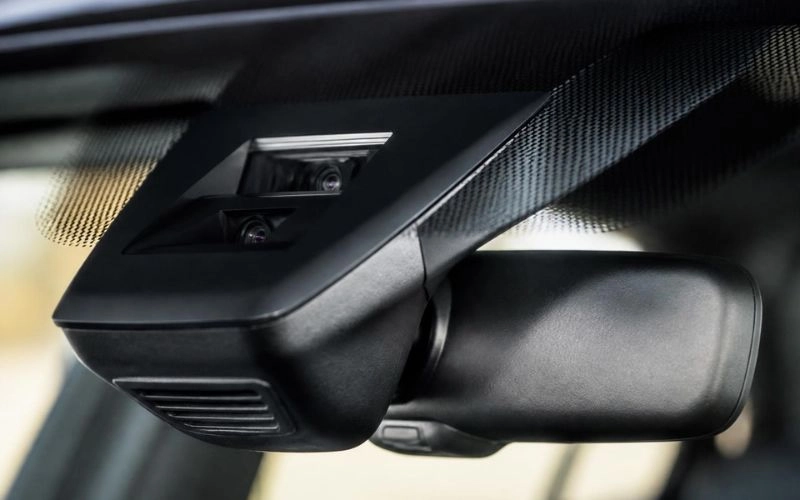
What We Aim and Relearn on Your Vehicle
ADAS stands for Advanced Driver Assistance Systems, the cameras and radar that brake or steer on your behalf. Drivers tend to picture a single lens tucked up by the mirror. ADAS camera calibration is only part of the job on a recent build, because those model years often carry three or four devices bonded to the windshield or reading through it, and all of them go on the quote.
AGSC treats the windshield as a second lens sitting in front of the camera. Two pieces of glass are never optically identical, so fitting new glass changes what the camera sees.
Do you need ADAS calibration after windshield replacement?
Usually, yes. ADAS calibration after windshield replacement is the case we book most often, though windshield replacement in Charlotte NC is not the only trigger. Anything that shifts the camera, shifts the glass, or alters how the car sits puts the procedure back on the list.
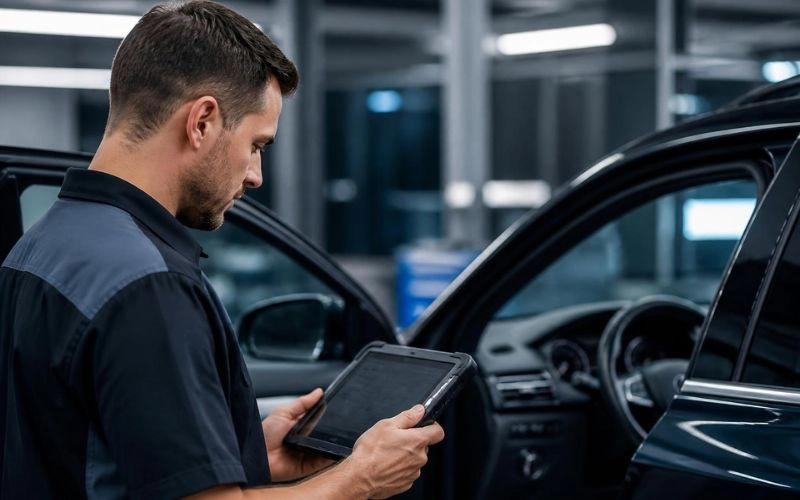
We put your VIN against the factory requirement before an appointment is confirmed, with the I-CAR OEM Calibration Requirements Search as the cross-check. Cars that need nothing are told so, free.
Static and Road Procedures on Your Build
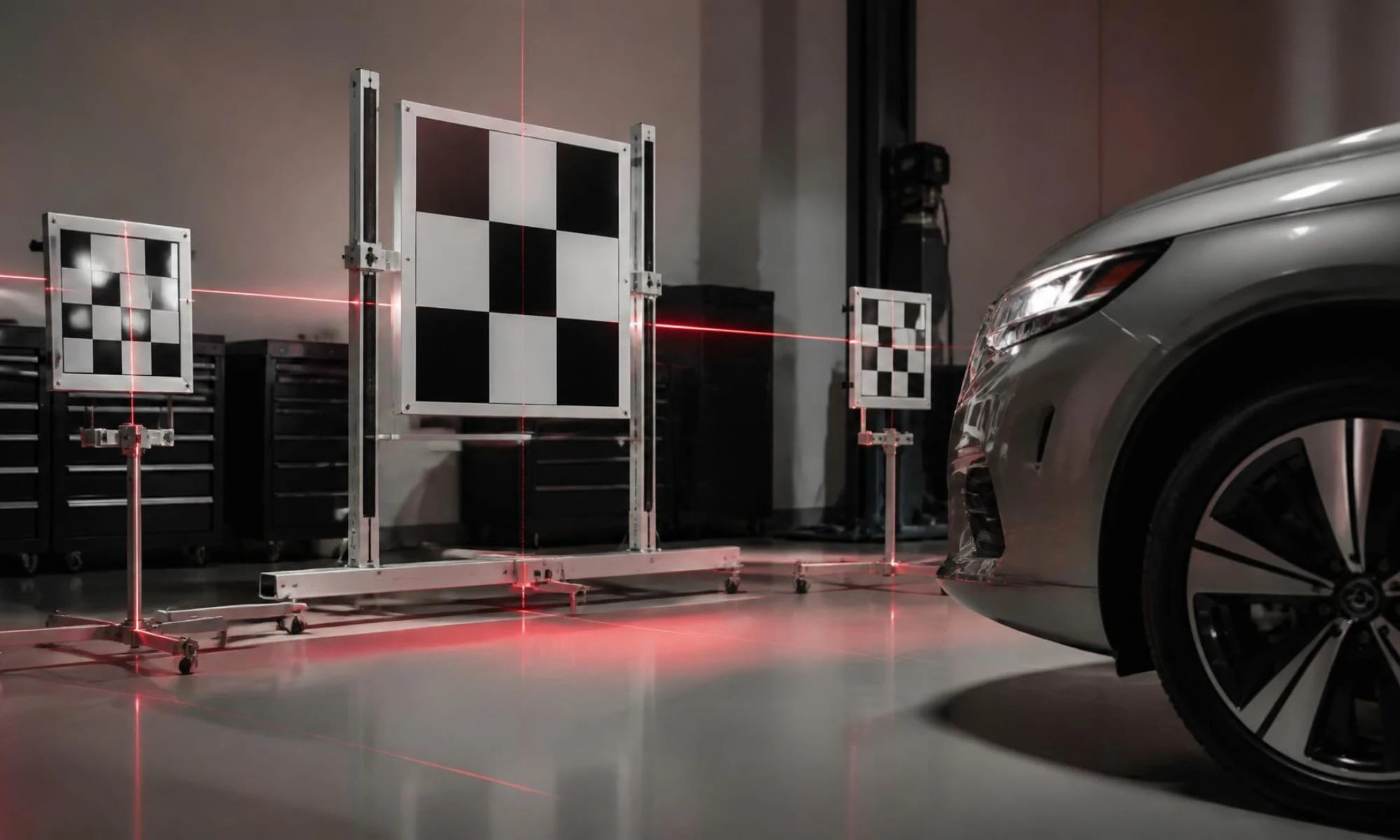
Method follows the manufacturer, not the model line. Some builds aim against marked targets while the vehicle sits still. Others only settle once the car has been driven. Plenty of platforms want both.
| Method | What the procedure involves | Where it happens | Typical time |
|---|---|---|---|
| Static | Targets placed at measured heights and distances ahead of a stationary vehicle | Level bay or flat level surface under controlled light | 45 to 90 minutes |
| Road relearn | A set route driven at steady speed with the scan tool watching the camera settle | Marked highway or arterial road, daylight only | 20 to 60 driving minutes |
| Both | Targets first, then a confirming drive | Both | 90 minutes to 2 hours |
Honda, Acura, Subaru and most Mercedes-Benz platforms commonly want both. Many Toyota and Lexus vehicles calibrate against targets. Ford, Chevrolet and Ram trucks lean toward the road procedure. Year and trim are not enough to tell, so we follow the written procedure for your exact build.
Setup Decides Whether the Aim Holds
Setup decides whether a windshield ADAS calibration holds. Tires sit at placard pressure, cargo and roof racks come off, nobody sits in the car. Target work wants a level bay, controlled light and no glare on the target face. Chips or cracks inside the camera’s view get windshield repair in Charlotte first, and any film creeping below the AS-1 line North Carolina sets has to come off. Voltage has to stay up as well, because a dip partway through ends the relearn on many platforms.
How much does ADAS calibration cost in Charlotte?
What an ADAS recalibration costs is the first thing most callers ask. Search ADAS calibration near me and you will not find a flat figure, because the number follows the vehicle. Windshield calibration cost tracks the build in your driveway, not a price list. Three things move an ADAS calibration cost. The make, the number of procedures your build calls for, and the presence of a heads-up display or a radar bracket. You get the figure as a named line item against your VIN before the appointment is booked, and nothing gets added at handover.
Claims go direct to State Farm, Geico, Progressive, Allstate, Nationwide, USAA, Liberty Mutual, Farmers and Travelers, and Charlotte Auto Glass NC handles the paperwork. The recalibration is listed on the claim as its own operation with the report attached, which stops an adjuster querying the line later. Pre-scan and post-scan sit there as separate operations too, and insurers reimburse them routinely. North Carolina does not force insurers to waive the glass deductible, so what you pay depends on your own deductible and your carrier. South Carolina works differently, which matters for our Fort Mill and Rock Hill customers.
Every Job Ends With a Scan Report
An ADAS camera calibration that reads complete has only confirmed the camera found a target. It does not confirm the aim is correct, so AGSC calls for a road test of the systems themselves.
- Pre-scan before the glass is touched and log every stored code, so old faults never land on this job.
- Confirm what the factory calls for on that VIN, targets, a road relearn or both.
- Aim with purpose-built calibration equipment, which ANSI/AGSC/AGRSS 005-2022 makes a requirement for this work.
- Post-scan, then clear only the codes this procedure was there to resolve.
- Road test lane recognition and braking response.
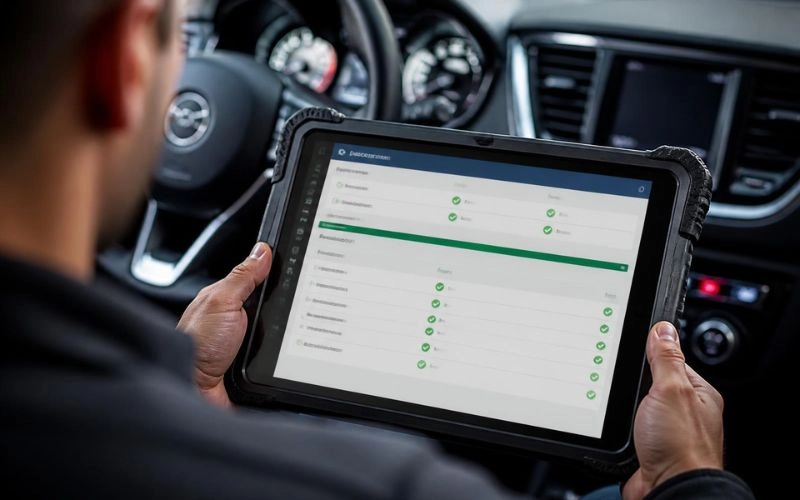
- Hand you a printed or emailed report carrying the vehicle, the date, the procedure and both scan results.
Your insurer, your dealer and whoever buys the car next will all ask for that document. If the glass went in elsewhere and your adaptive cruise now brakes at overpass shadows, that is the point most drivers go looking for ADAS calibration near me. Bring the car and its paperwork. We pre-scan it, report what the camera says, and quote on the merits, whoever fitted the glass.
Mobile Calibration at Your Home or Office
Most shops that surface for ADAS calibration near me want the car dropped off for a day. Our technicians come to you instead, with no mobile fee anywhere in the service area. The same mobile ADAS calibration service reaches well past the county line. Cabarrus County adds Concord, Kannapolis and Harrisburg. Union County covers Monroe and Waxhaw. Gaston County takes in Gastonia and Belmont. Mooresville marks the Iredell County edge, and coverage carries south into Fort Mill and Rock Hill.
Target work travels to any level surface under even light, and a flat garage floor or covered deck usually provides both. Steep driveways in Myers Park and Dilworth do not, so we collect the vehicle and set targets indoors at the shop, at no charge.
Route choice matters as much as the equipment. Off peak, the I-485 outer loop between Steele Creek and Ballantyne gives steady speed. At midday, I-77 above Huntersville toward Cornelius and Davidson works well. East of Matthews, US-74 out toward Indian Trail keeps its lane paint crisp. Stop-and-go traffic and flexible delineators abort a relearn, so the Uptown grid and I-277 stay off the list, along with the Express Lanes on I-77. Every other job we handle travels the same way, through our mobile auto glass service in Charlotte.
Book Your Calibration With Our Charlotte Team
Call with your VIN. We tell you which procedure your vehicle wants, what it adds to the visit and what your insurer will cover, before you agree to anything. Every installation from Charlotte Auto Glass NC carries a lifetime workmanship warranty, good for as long as the vehicle is yours, and the call center picks up 24 hours a day.